
The Middle Man Library
There are many fantastic and helpful books that cover the issues faced by midlife men. The books listed here are recommended because we've taken useful information, guidance, advice or practical elements that can be actioned in everyday life to make it more productive, meaningful or joyful.
If you have a read a book that you found valuable and insightful and is therefore worthy of inclusion in this list, please contact us and we will take a look.

The Laws of Connection by David Robson
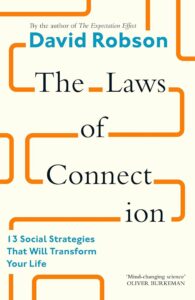 The Laws of Connection is a powerful read if you feel socially busy yet emotionally disconnected. In midlife, friendships often thin out, conversations become transactional, and loneliness can creep in unnoticed. Robson draws on psychology and neuroscience to show what actually creates meaningful human connection, and why many well-intentioned interactions fall flat. The book challenges myths about charisma and confidence, offering practical, evidence-based ways to deepen relationships at work, at home, and with friends. For men reassessing identity and purpose, it highlights connection not as a soft extra, but as a core driver of wellbeing, resilience, and long-term fulfilment in the second half of life.
The Secret Lives of Men by James Hawes
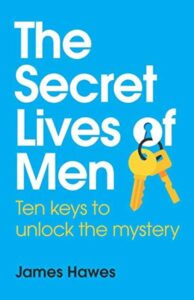 The Secret Lives of Men is a compelling read for midlife men who feel they’re carrying more than they ever admit. Drawing on psychotherapy and lived experience, Hawes explores the private fears, pressures, and contradictions many men hide behind competence and control. In midlife, when roles, relationships, and identity are often under strain, the book offers rare honesty and relief: you’re not broken, and you’re not alone. It helps men understand their inner world, articulate unspoken emotions, and loosen the grip of shame. It’s insightful, compassionate, and quietly radical in how it normalises men’s psychological lives.
Four Thousand Weeks by Oliver Burkeman
 Four Thousand Week is essential reading for midlife men who feel permanently busy yet oddly unfulfilled. It confronts the uncomfortable truth that life is brutally finite (roughly four thousand weeks) and that trying to “get on top of everything” only deepens anxiety. Burkeman dismantles productivity culture and shows why control, optimisation, and constant striving don’t deliver peace. Instead, he offers a calmer, more humane way to live with limits, make better choices about what actually matters, and stop deferring life until conditions are perfect. It’s liberating, unsettling, and deeply relevant in midlife.
Rethinking Masculinity by Dan Stanley
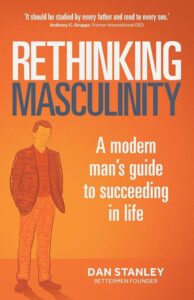 Rethinking Masculinity is especially powerful if you feel caught between outdated expectations and a lack of new models to follow. It explores how traditional ideas of masculinity like stoicism, self-sacrifice and emotional silence can quietly lead to disconnection, burnout, and confusion in midlife. Stanley offers a grounded, practical redefinition of strength that includes emotional awareness, honest relationships, and self-leadership. Rather than criticising men, the book validates their experience and gives language to feelings many struggle to articulate, helping readers build a more authentic, resilient, and meaningful second half of life.
Drive by Daniel H. Pink
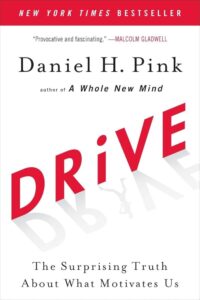 Drive is valuable if you're rethinking work, ambition, and motivation. If external rewards like pay rises, titles and bonuses no longer deliver satisfaction, Drive explains why. Pink shows that lasting motivation comes from autonomy, mastery, and purpose, not carrots and sticks. For men questioning career direction or feeling flat despite success, this framework brings clarity. It helps you understand what genuinely fuels engagement and energy, and why many midlife slumps are motivational mismatches, not personal failures. The book offers a practical lens for redesigning work, goals, and identity around what actually drives fulfilment.
The Midlife Male by Greg Scheinman
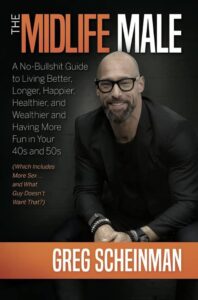 The Midlife Male is a sharp, motivating read for midlife men who feel successful on paper but restless underneath. It speaks directly to the quiet questions many men face in their 40s and 50s: Is this it? And if not, what’s next? Scheinman blends mindset, habits, health, relationships, and purpose into a practical framework for a strong second act. Rather than framing midlife as decline, the book treats it as a strategic reset; an opportunity to reclaim energy, direction, and agency. It’s action-oriented, relatable, and ideal for men ready to lead their own lives more deliberately.
The 100-Year Life by Lynda Gratton & Andrew Scott
 The 100-Year Life is essential reading for midlife men who sense that the old life script no longer fits. If you’re likely to live longer than previous generations, then a single linear career, followed by a short retirement, no longer makes sense. The book reframes midlife not as a peak or decline, but as a transition point; a chance to reskill, rebalance, and redesign how you work, earn, and live. It helps men move from anxiety about ageing to strategic thinking about time, energy, health, and purpose over a much longer life horizon.
The Midlife Male Handbook by James Davis
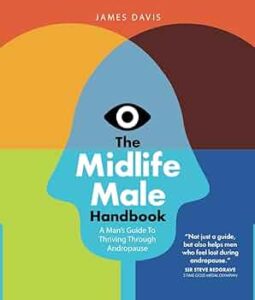 The Midlife Male Handbook is a practical, no-nonsense guide for midlife men who want clarity rather than clichés. It tackles the real issues that show up in this phase of life - declining energy, health changes, shifting identity, relationships, and purpose - without drama or shame. Davis combines physiology, mindset, and lived experience to explain what’s happening in your body and mind, and what to do about it. For men who don’t want therapy-speak but do want control, understanding, and a clear plan for the next chapter, this book offers grounded guidance for navigating midlife with strength, awareness, and intention.
Midlife by Andrew Jamieson
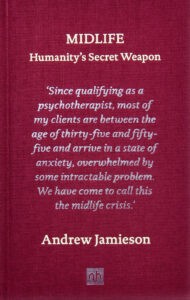 Midlife is a valuable read if you feel unsettled but can’t quite explain why. Rather than treating midlife as a crisis to fix, Jamieson frames it as a psychological reckoning; a normal, necessary stage where old identities, coping strategies, and ambitions stop working. The book helps men understand why anxiety, restlessness, or dissatisfaction often surface at this point, and why trying to power through rarely helps. Grounded in therapy and real experience, it offers clarity, reassurance, and a healthier way to navigate midlife as a transition toward greater self-understanding, not a personal failure.
Die WIth Zero by Bill Perkins
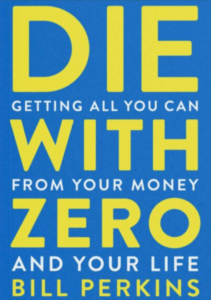 Die With Zero is a powerful read for midlife men questioning whether constant accumulation is really the point. It challenges the habit of deferring life in favour of saving, arguing that time, energy, and health decline faster than money. Bill Perkins reframes wealth as a tool for creating meaningful experiences and memories while you’re still able to enjoy them. The book encourages intentional spending, not recklessness, and invites men to redefine success beyond work, status, and net worth. Ultimately, it helps you rethink how to use money to live well now, not just later.
Things Your Future Self Will Thank You For by Dr Mark Rowe
 Things Your Future Self Will Thank You For is a smart read if you're starting to feel the long-term consequences of short-term habits. Rather than dramatic transformations, Rowe focuses on small, consistent actions that protect your future health, energy, and mental resilience. In midlife, when stress is high and time feels scarce, the book helps you think beyond immediate pressures and make choices your older self won’t regret. It’s practical, preventative, and grounded in medicine, encouraging men to take responsibility for their wellbeing now, while they still have time to change the trajectory of the decades ahead.
The Power of Now by Eckhart Tolle
 The Power of Now is especially relevant for midlife men whose minds feel permanently occupied by regret about the past or anxiety about the future. At this stage of life, mental noise often increases even as external success stabilises. Tolle’s core insight - that much suffering comes from over-identifying with thought - offers a radical alternative to constant striving and self-judgement. The book teaches presence, acceptance, and awareness as practical skills, not abstract spirituality. For men feeling restless, burned out, or disconnected despite “doing well”, it provides a way to experience calm and meaning without changing circumstances, only how you relate to them.
The Life Brief by Bonnie Wan
 The Life Brief is a powerful read if you sense you’ve drifted into a life designed by default rather than by choice. Borrowing from the idea of a creative brief, Wan encourages readers to intentionally design the next chapter of their lives around what truly matters. In midlife, when old goals lose meaning, the book helps clarify values, priorities, and boundaries, without blowing everything up. It’s reflective, structured, and practical, offering men a way to pause, reassess, and consciously shape work, relationships, and identity with purpose, clarity, and self-respect rather than momentum or obligation.
Make Change That Lasts by Rangan Chatterjee
 Make Change That Lasts is ideal if you know who something needs to change but feel overwhelmed by where to start. Rather than willpower or radical overhauls, it focuses on small, realistic shifts that fit real life. Chatterjee addresses the pressures common in midlife - stress, health worries, burnout, and habits that no longer serve you - and shows how lasting change comes from aligning behaviour with values. It’s practical, compassionate, and grounded in everyday reality, helping you rebuild energy, health, and direction without blowing up your life or chasing quick fixes.
Alcohol Explained by William Porter
 Alcohol Explained is an important read for any midlife man who drinks “normally” but feels increasingly tired, anxious, flat, or stuck. Rather than using scare tactics or moral judgement, the book clearly explains how alcohol actually affects the brain, mood, sleep, stress, and motivation, especially over time. In midlife, when resilience drops and recovery slows, its impact becomes harder to ignore. Alcohol Explained helps men reassess their relationship with drinking using logic and self-awareness, not labels. It often creates lightbulb moments that lead to more energy, better mental health, and clearer thinking, without pressure to identify as having a problem.
Every Body Should Know This by Dr Federica Amati
 Every Body Should Know This is an essential read for those who want clear, evidence-based guidance on health without diet fads or guilt. As metabolism slows and energy, weight, and inflammation become harder to manage, the book explains how food really affects the body; hormones, gut health, brain function, and long-term disease risk. Amati cuts through misinformation and extreme wellness culture, focusing on sustainable habits that support strength, longevity, and mental clarity. For men in midlife, it offers a grounded reset: understanding your body better so you can make smarter choices now that genuinely pay off in the decades ahead.
Why Losing Your Job Could Be The Best Thing That Ever Happened to You by Eleanor Twedell
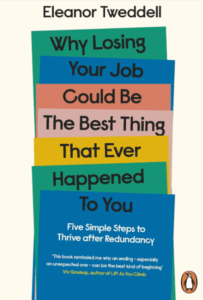 Why Losing Your Job Could Be the Best Thing That Ever Happened to You is a reassuring read if you're facing redundancy, burnout, or quiet dissatisfaction at work. In midlife, job loss can feel like failure, but Twedell reframes it as a forced pause that creates space for recalibration. The book helps men separate identity from job title, process the emotional shock of loss, and reassess what they actually want from work next. Practical and compassionate, it offers tools to rebuild confidence, rethink career direction, and design a working life better aligned with values, strengths, and long-term wellbeing, turning disruption into a meaningful second-act opportunity rather than a setback.
Atomic Habits by James Clear
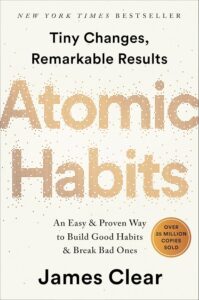 Atomic Habits is especially useful for midlife men who know what they should change but struggle to make it stick. In midlife, big overhauls are harder to sustain alongside work, family, and energy constraints. Clear’s approach focuses on small, repeatable habits that compound over time, improving health, focus, confidence, and consistency without relying on motivation. The book helps men understand why habits fail, how identity drives behaviour, and how to build systems that work in real life. It’s practical, grounded, and empowering, offering a realistic way to reshape the second half of life through steady, achievable progress rather than dramatic reinvention.
Why Has Nobody Told Me This Before? by Dr Julie Smith
 Why Has Nobody Told Me This Before? is a vital read if you feel emotionally stretched but lack practical tools to manage it. Midlife often brings pressure from work, relationships, ageing parents, and quiet self-doubt, yet many men were never taught how to handle their inner world. Smith offers clear, accessible strategies for dealing with stress, anxiety, low mood, and self-criticism without jargon or therapy-speak. The book normalises emotional struggle and focuses on skills you can use immediately. For men who pride themselves on coping but feel worn down, it provides practical mental resilience - the kind most of us were never given growing up.